As a very young girl, I was certain that my wedding colors would be sapphire blue, silver, and cream. My bridesmaids would carry fuchsia peonies. I imagined a high-ceiling Catholic church (im not catholic) with stained glass, rich dark wood, an elaborate altar, and an organist and a harpist. I was more excited about the design and performance of it all than the idea of having a husband, if memory serves; but that image is very strong in my mind. Visual opulence feels native to me. I’ve seen it in the way my mother and grandmother dressed and in the homes they made.
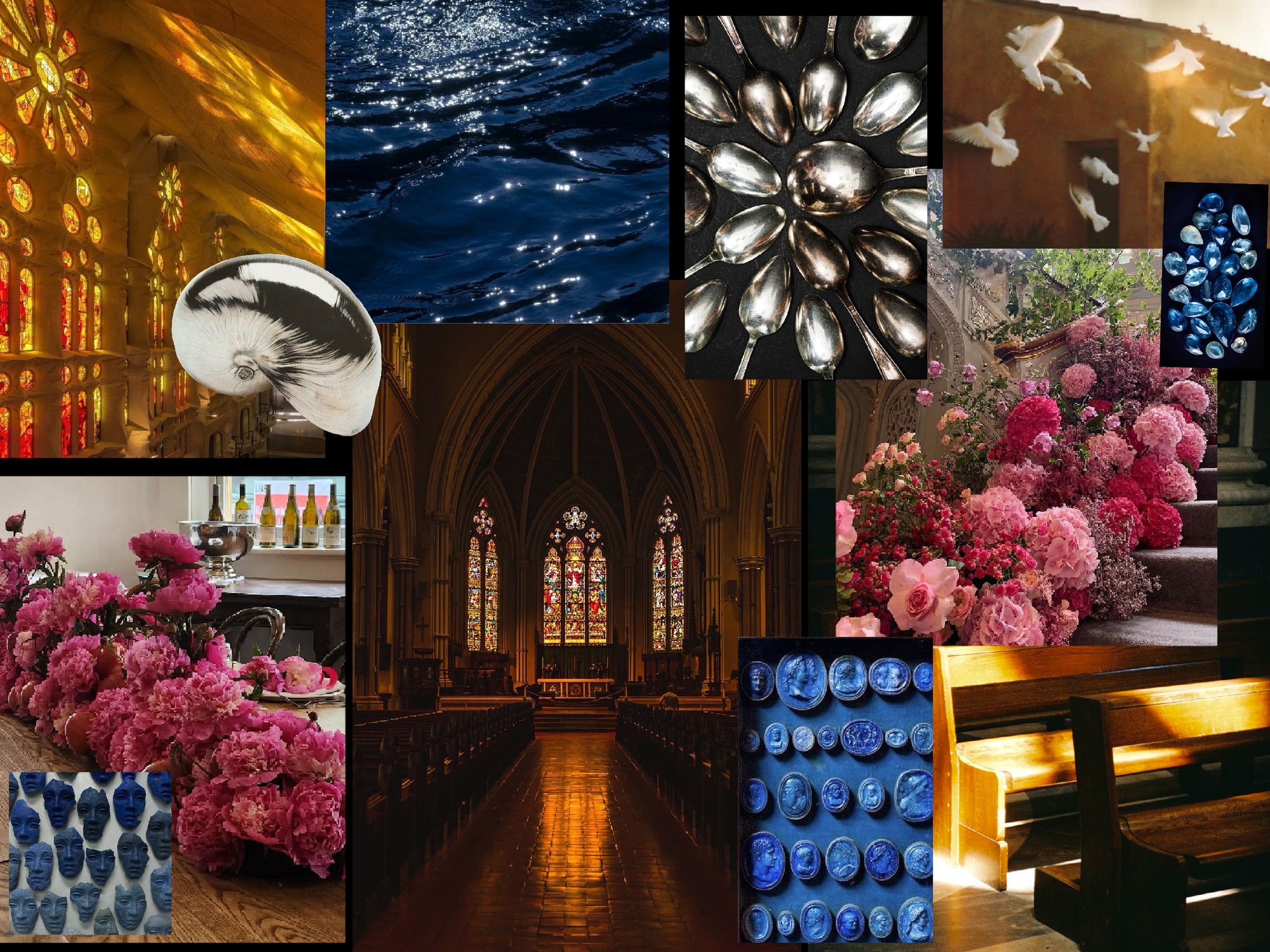
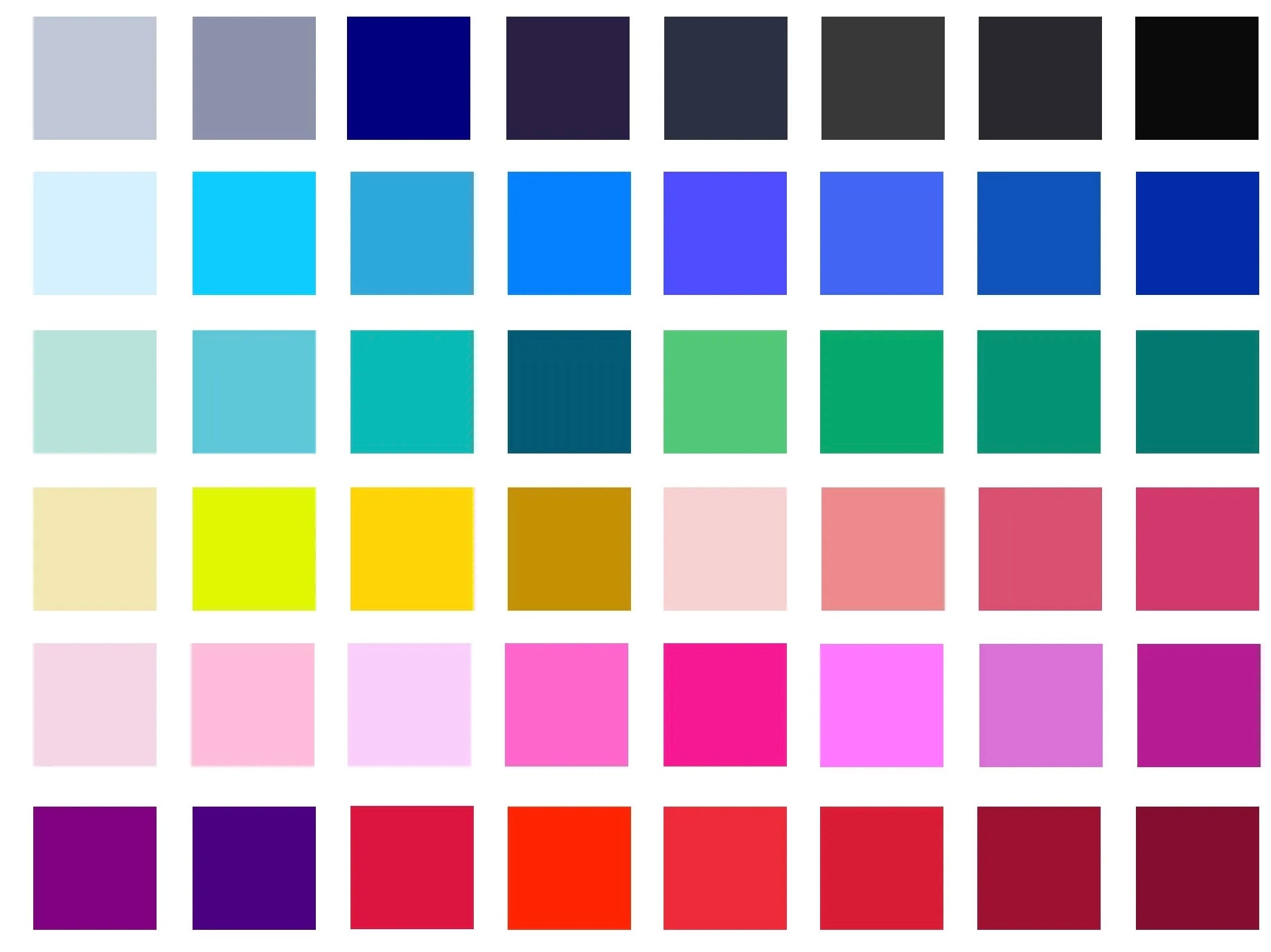
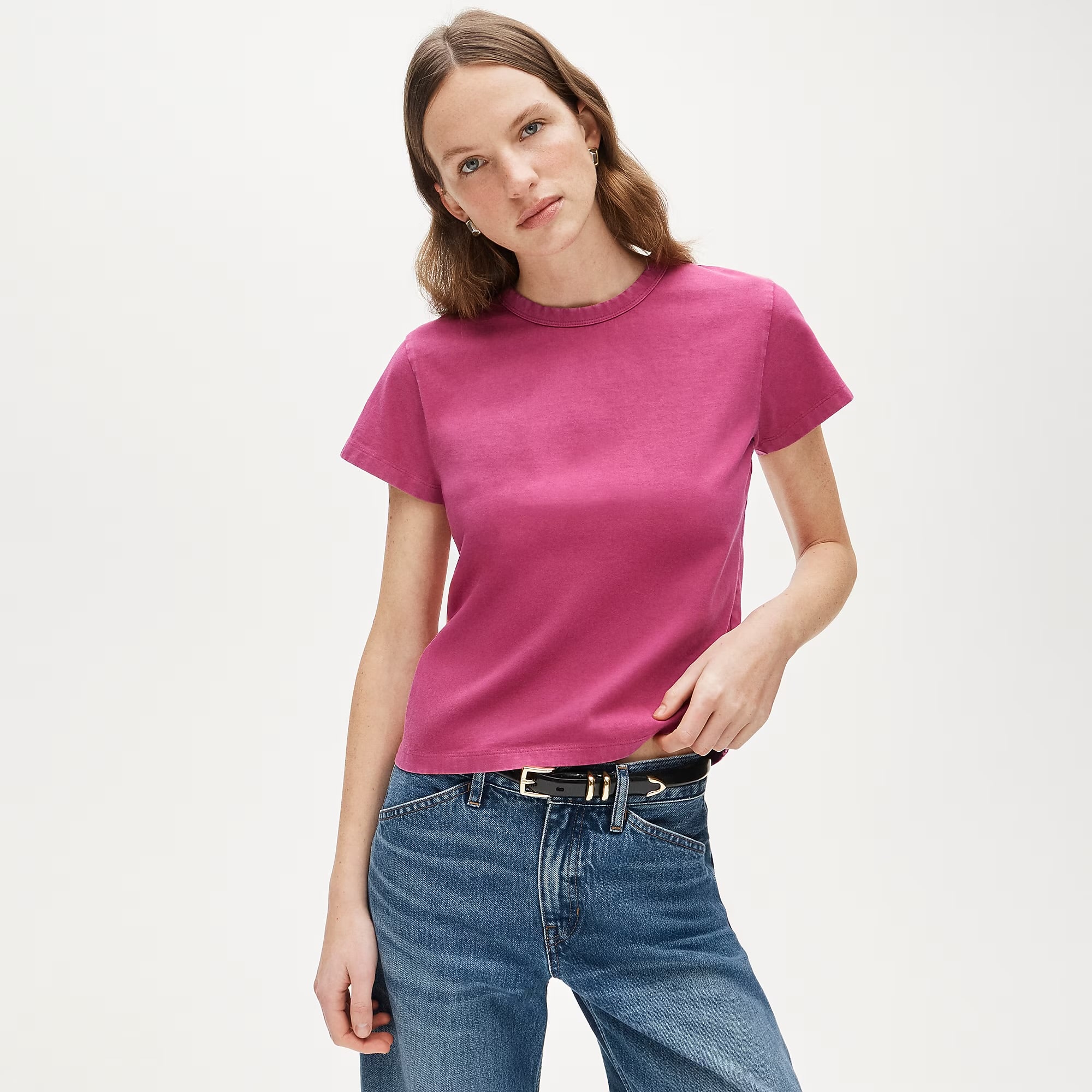
Over a decade later, when color season analysis had its big moment on TikTok, I realized I fall in the Winter category. I looked at the color palette and thought about my closet. I wondered how I would ever style those colors! 2020 and the surrounding years saw a huge popularity in pastels, and my closet deeply reflected that. Going into summer 2026, I am finally depoping the last of my pastels, and a glance in my closet will show mostly black, navy, and dark brown, with a few pops of raspberry pinks, azure blues, and emerald greens. I always shop in search of rich color, but usually end up with black and navy in my cart. The other day at JCrew I bought a $35 t-shirt (on sale) in the exact shade of fuchsia as the shirt I was wearing (also the color of my bedspread, phone case, favorite bag, and multiple shirts). It’s such a good color on me, but Impossible to find in stores, so it’s hard to resist.
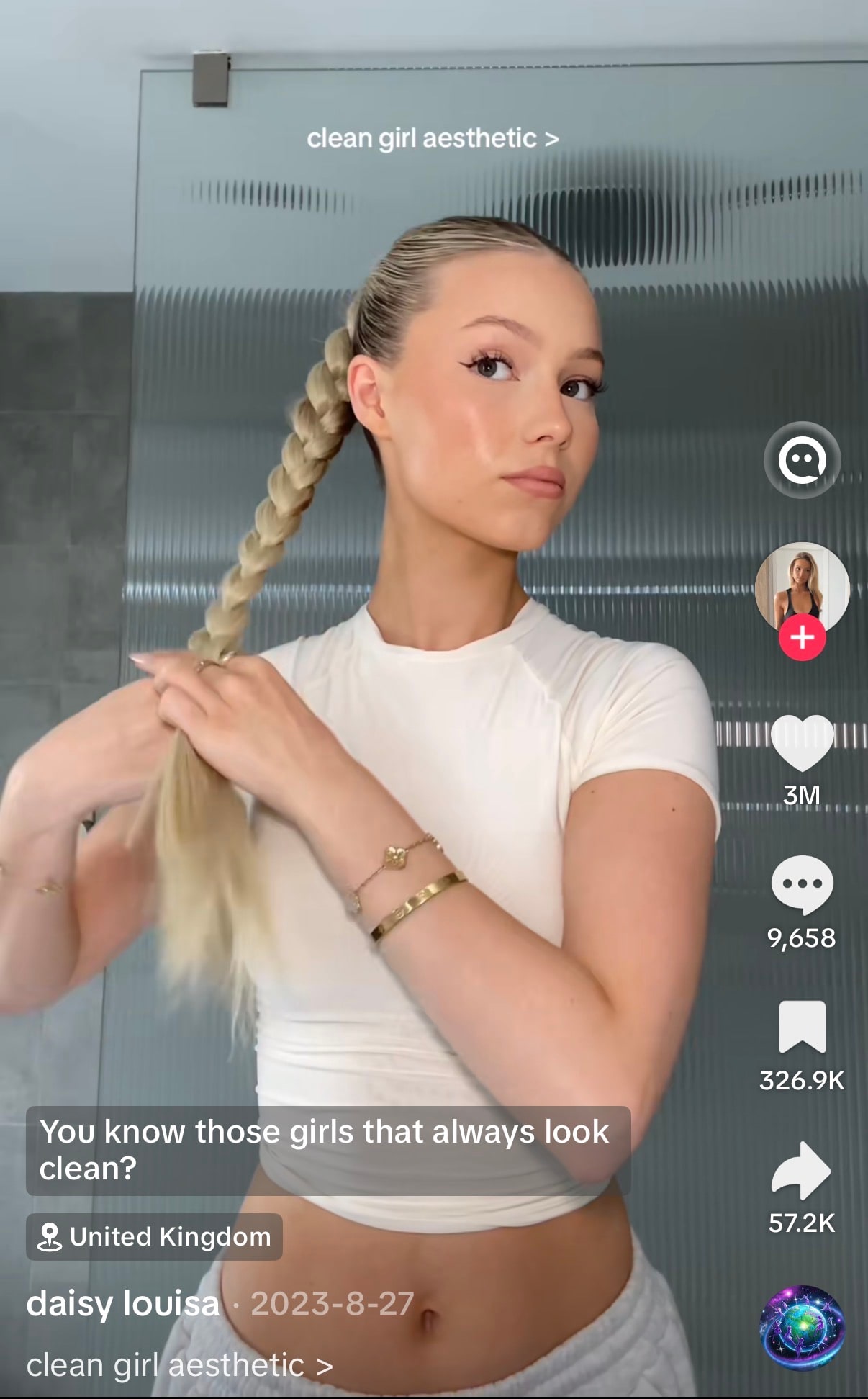
It shouldn’t be so surprising to see stores stocked the way they are. A demand is being met. Walking through downtown Boston, all I see is clean girls in neutral colors or athleisure. Scrolling through TikTok, every kitchen has white cabinets on white marble with silver hardware, every sofa is white, every deep rich wooden chest of drawers is painted white or cream or eggshell. The clean girl aesthetic has run rampant, expanding from slick-back buns and dewy skin to white-out apartments and an extreme form of minimalism.
For the uninitiated, the clean girl aesthetic is the colloquial name for the dominant visual identity in women’s fashion over the past couple years. The trend promotes minimalism in dress and interior design in the name of sophistication and modesty. The current aesthetic landscape rewards visual inoffensiveness. Colors, fabrics, and silhouettes that draw too much attention read as risky rather than sophisticated. But visual opulence has not disappeared so much as gone dormant, and its gradual reappearance suggests the beginning of a shift in what sophistication looks like.

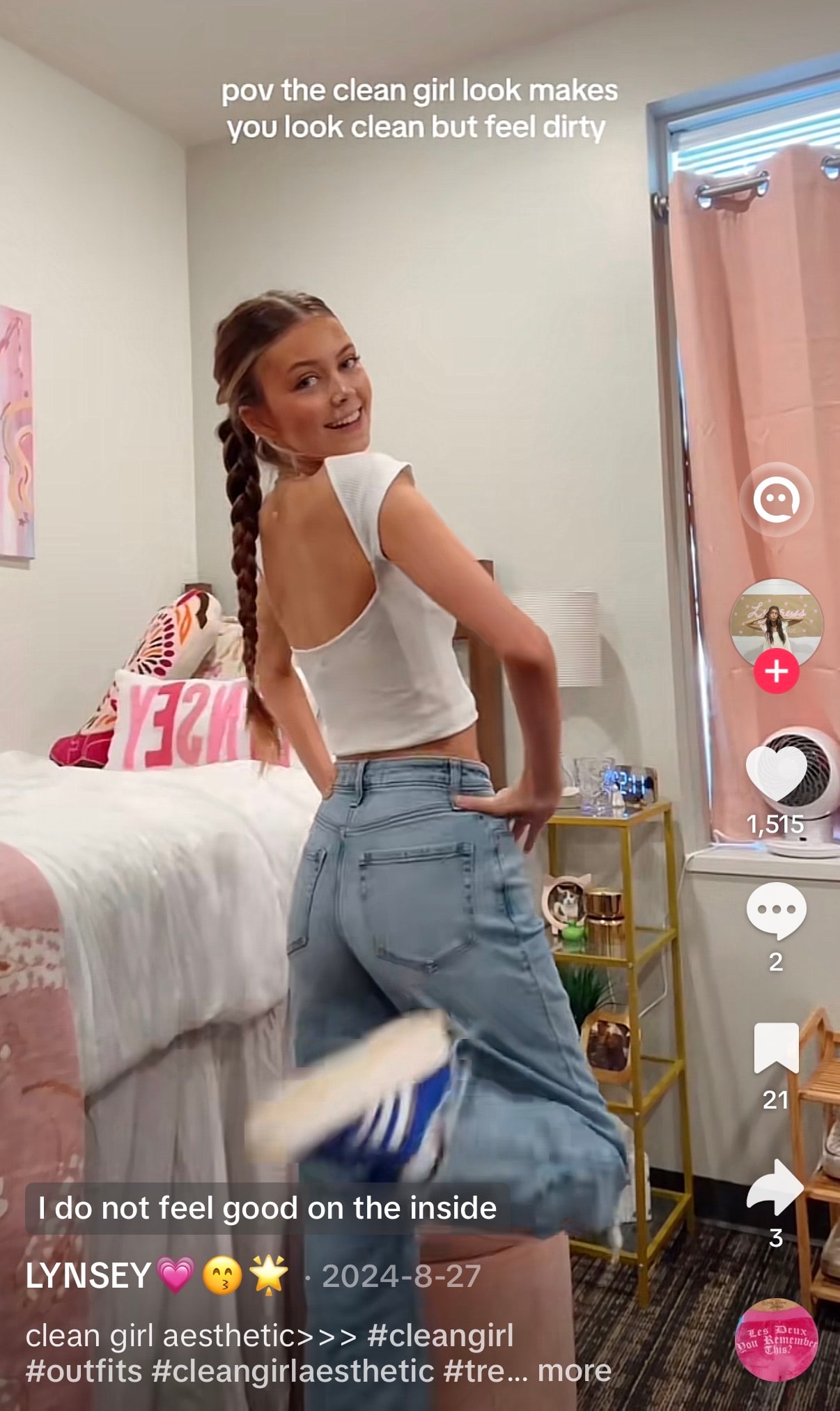
The 21st century is the first time in history in which ordinary people are expected to make constant aesthetic decisions. This is an extremely modern phenomenon. For most of human history, there were very few to no options when it came to clothing. Today, in the face of too many options, it is very comforting to decide what to wear based on what other people are wearing. Influencers help with the decision fatigue of the 21st century by telling you what to wear, what to buy, and who to be.
This is why as aesthetic options expand, visual culture paradoxically seems to contract. The more options people have, the more appealing simplicity begins to feel. The clean girl aesthetic and surrounding visual identities offer a kind of visual resting point: neutral colors, simple silhouettes, a carefully curated sense of ease. In a world of branding, advertising, and self-performance, it is unsurprising that chicness has become associated with restraint.
The attractiveness of the clean girl lies in her perceived effortlessness. The girls know, though, that a neutral gel nail and the perfect no-makeup makeup look is hardly effortless. Beneath the appearance of simplicity is an entire infrastructure of maintenance: nail appointments, facials, laser hair removal, pilates memberships, and “clean eating.” This work is not meant to disappear completely, just to become illegible. It’s not just about beauty anymore, but beauty that appears almost accidental.
Even my friends who regretfully conceded that they do not strive for the clean girl look admitted that they wish they could. One friend described finding a pair of silver shoes that she genuinely loved before deciding they were “too much.” Too much for what? I asked. She struggled to answer directly before eventually circling around the same idea everyone else referenced in some way: the desire not to stand out. Looking good increasingly seems to mean looking Correct. If you and all your friends are wearing the same gold hoops, the same black skirt, and variations on the same going out top, no individual risks being perceived incorrectly. Sameness becomes a form of social protection.
What fascinates me is that the trend rarely presents itself as conformity. Instead, it’s framed as authenticity. The goal is to appear low-maintenance, casual, naturally beautiful: the kind of woman who is effortlessly desirable and thus unthreatening. Her thinness is simultaneously seen as natural beauty and as evidence of cleanliness and restraint. She is polished but relaxed, feminine but never excessively so. Even her casualness is calibrated.
The performance is successful precisely because it does not announce itself as a performance.
As visual trends often do, this extends far beyond fashion. Post-covid, cleanliness itself has become a moral visual language. Restraint is coded as sophistication, while excess increasingly reads as instability, immaturity, or desperation for attention. In a culture shaped by constant self-documentation, visual neutrality offers protection. To make no strong aesthetic statement is to minimize the possibility of social misreading. The result is an aesthetic culture organized less around taste than around self-regulation. Women have learned to anticipate observation before it happens.
The Y2K era, in comparison, saw women’s fashion holding the exact opposite values. Though the specific visual expression shifted over time, the fashion was generally referential to club wear, synthetic shine, and hyper-visible femininity. Britney Spears, Paris Hilton, and the like were seen in hot pink, rhinestones, velour, and usually with at least a little tummy showing. This is a clear response to the rise of popularity in reality TV and celebrity tabloid culture. The early internet rewarded being seen, and visibility became the goal.
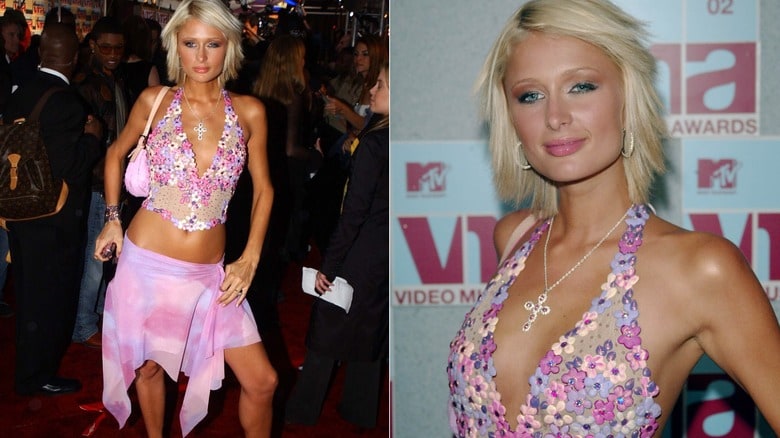
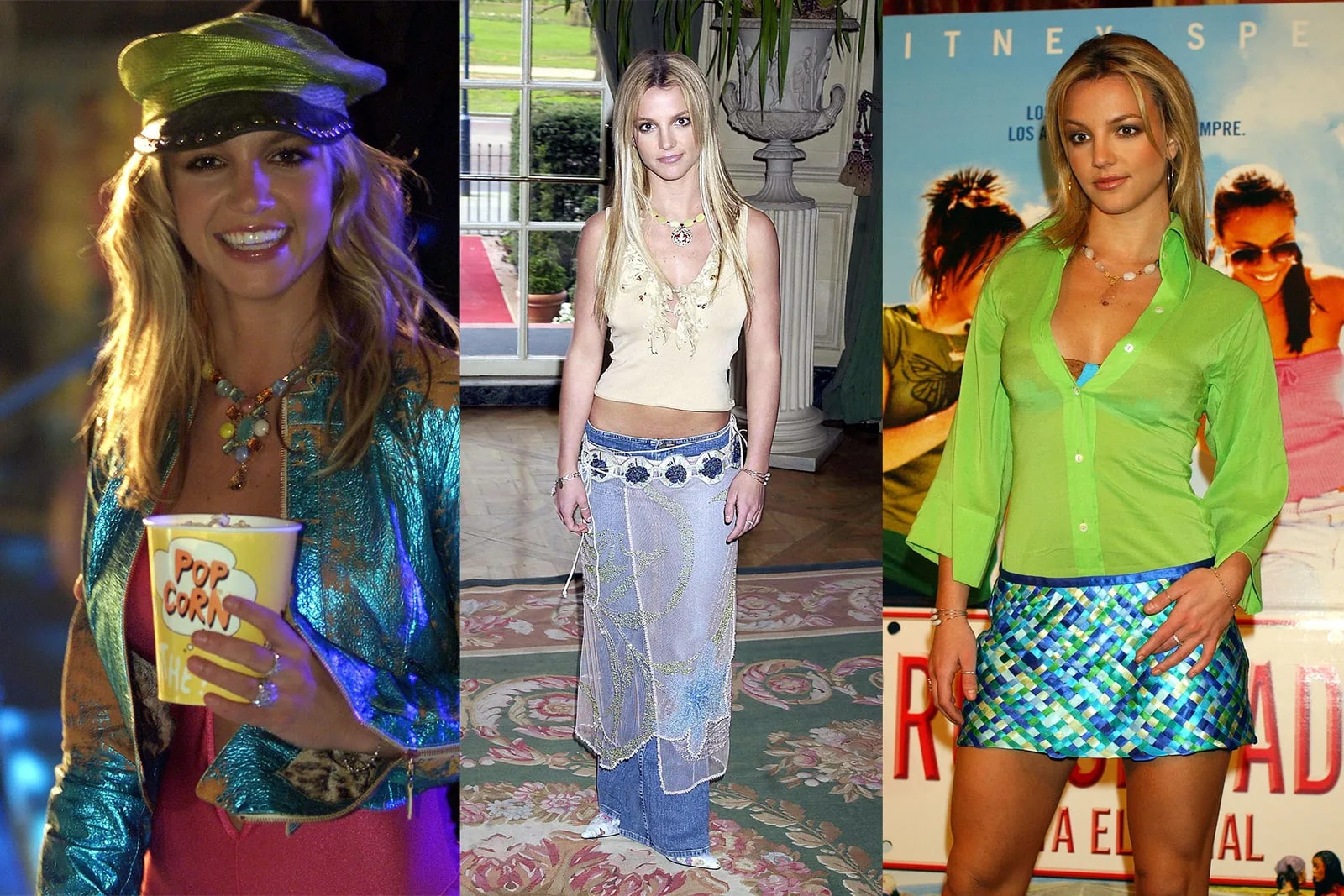
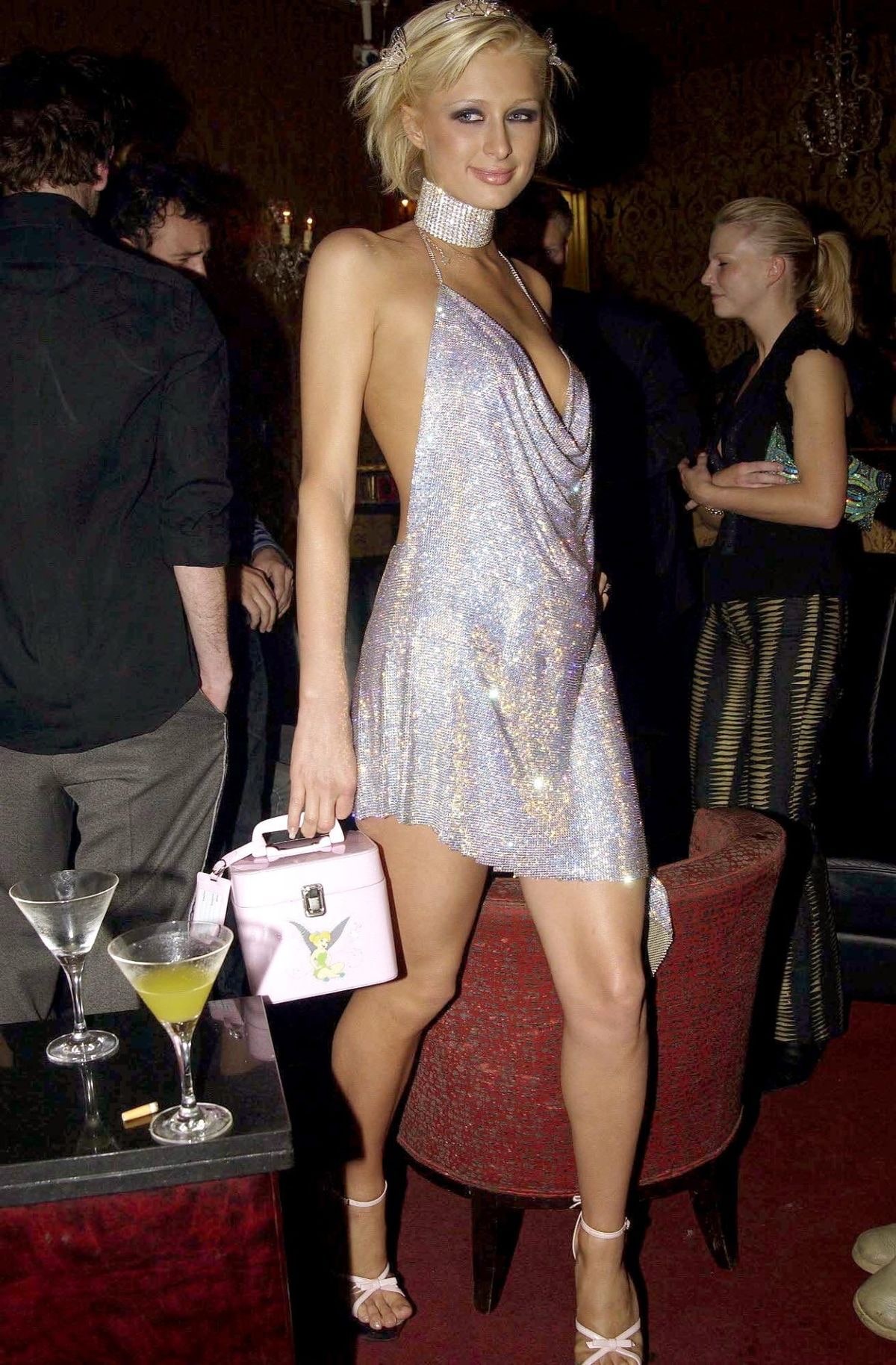
The early days of the internet promised infinite individuality. Instead, it produced an overwhelming number of aesthetic choices and micro-trends. Algorithms reward reproducibility, and one’s ability to reproduce a given trend becomes tied to their sense of social safety. The result is not greater individuality, of course, but convergence. Certain aesthetics rise to the top, not necessarily because they are the most beautiful, but because they are the easiest to reproduce and least likely to be socially criticized. Under the current conditions of constant self-documentation and algorithmic repetition, everything is archived, everyone is self-aware, and social criticism is immediate. So the ideal becomes Optimization. We don’t need paparazzi when everyone carries a front-facing camera.
So the question becomes about the attention economy. Just because people aren’t trying to grab attention with their personal style anymore does not mean they don’t care about who is looking. It has become far more nuanced than the “look at me” attitude of pop star style in the 90s and 00s. The performance of personal style and femininity has become more about controlling what is being conveyed. If I dress like X, will people think I’m Y? This has always been a concern for women, of course, but instead of the myriad identities fashion has historically communicated — elegance, sensuality, modesty, wealth, rebellion, professionalism — the clean girl aesthetic provides something more like neutrality. She is polished but difficult to categorize. She invites projection. The goal is to avoid being perceived incorrectly.
Luxury has never depended on visual absence, though. The internet’s interpretation of “quiet luxury” is displayed as beige knits, flat gold jewelry, and expensive-looking minimalism, but that bears little resemblance to the visual language luxury has historically used. Couture, aristocratic interiors, eveningwear, and old money dressing traditions have always relied on saturation, texture, tailoring, weight, and contrast. Even the most restrained luxury fashion does not abandon shape or visual richness entirely. The goal is not invisibility. It is precision. Minimalist beige aesthetics communicate restraint and social fluency, but they flatten many of the visual cues that have historically signaled opulence and distinction.
But aesthetics lose symbolic power when everyone is able to perform them. The clean girl look initially felt aspirational because it signaled effortlessness, restraint, and a kind of elevated self-control. Celebrity models like Hailey Bieber helped translate this modern off-duty model aesthetic into the white girl mainstream. (It’s notable that Black and brown women are the blueprint for this style, as usual, but that is another essay.) Now, every fast-fashion collection is flooded with beige, shapeless, vaguely luxurious basics. The aesthetic no longer communicates exclusivity because it has become easily replicable. These brands will capitalize on the demand for a while, but trend-setters of the upper echelons will inevitably begin searching for new forms of distinction.
So where does style turn after visual restraint becomes oversaturated? Not back to maximalism exactly, but toward controlled richness: saturated color, sculptural tailoring, material contrast, atmosphere, and visual weight. The shift will preserve some of what made clean girl aesthetics so appealing while reintroducing drama in more deliberate ways. These qualities already dominate couture, formalwear, and editorial fashion because they photograph well, create visual depth, and no matter the trend cycle, they signal luxury. Visual richness persists because, once minimalism becomes ubiquitous, distinction requires something visible again.
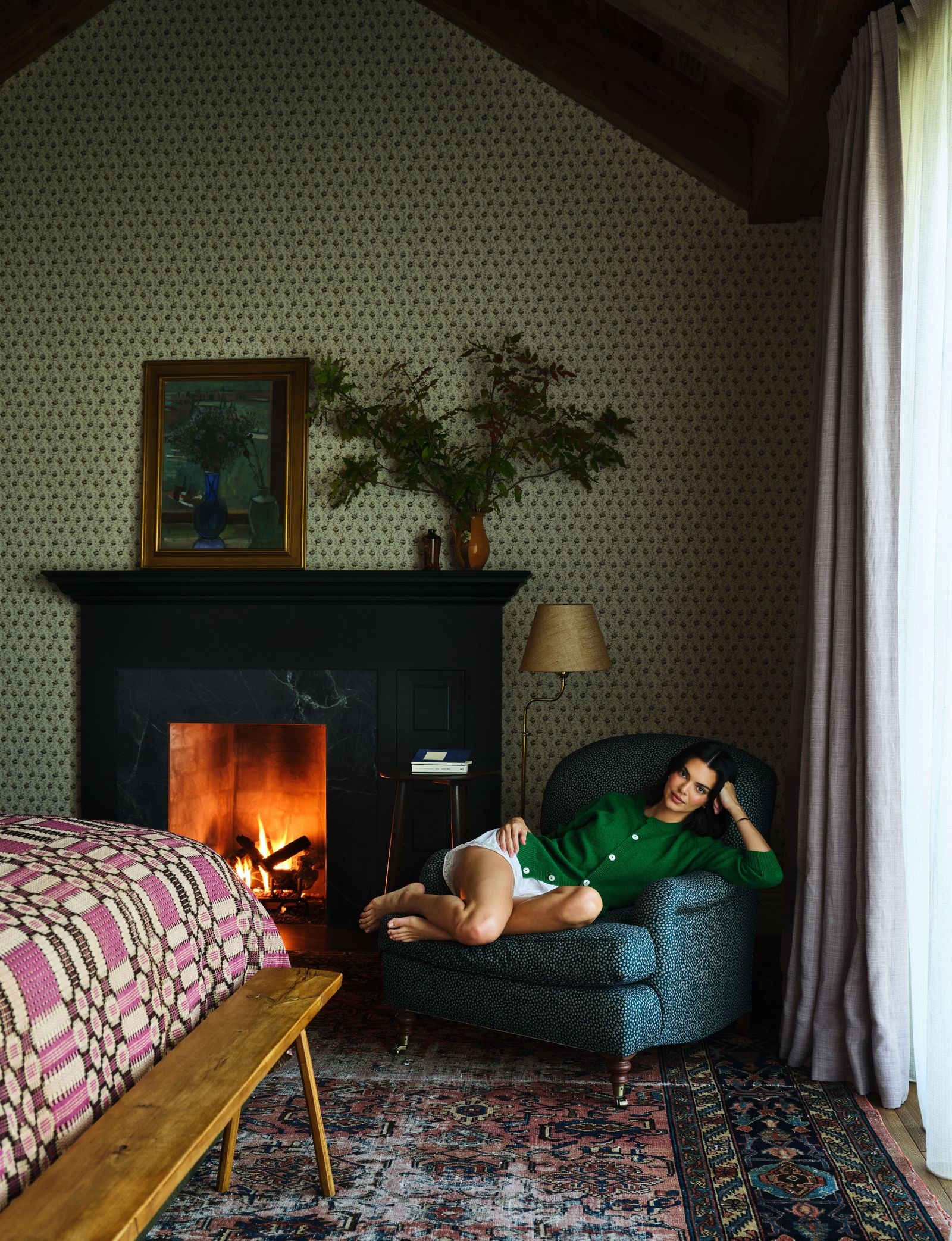
Kendall Jenner is leading the charge with her newly built second home. The space is filled with deep wood tones, saturated color, texture, pattern, and atmosphere. The appeal of a space like this reveals an exhaustion with sterile minimalism. People do not want to live in museums. They want softness, warmth, visual richness, and signs of life.
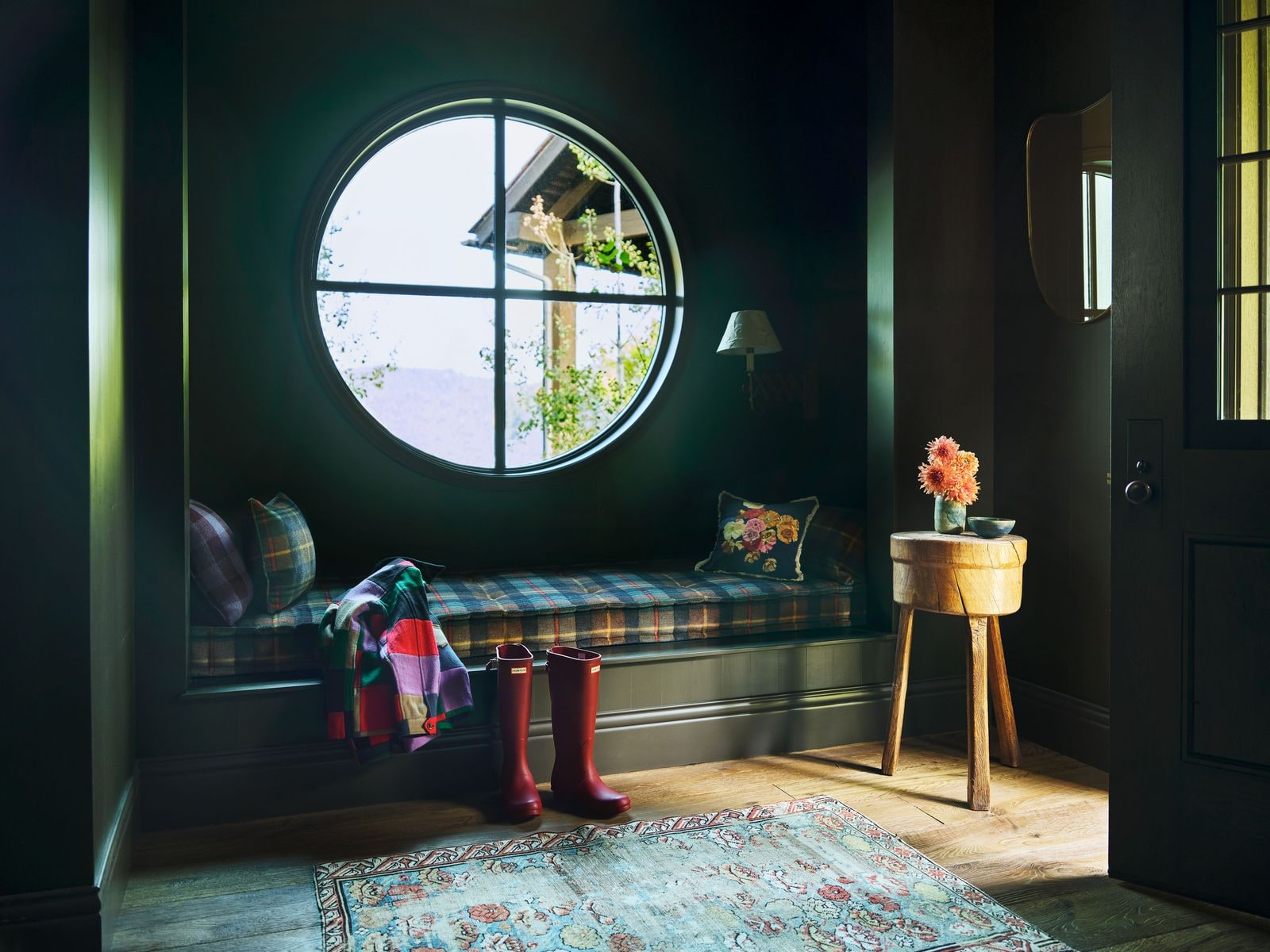
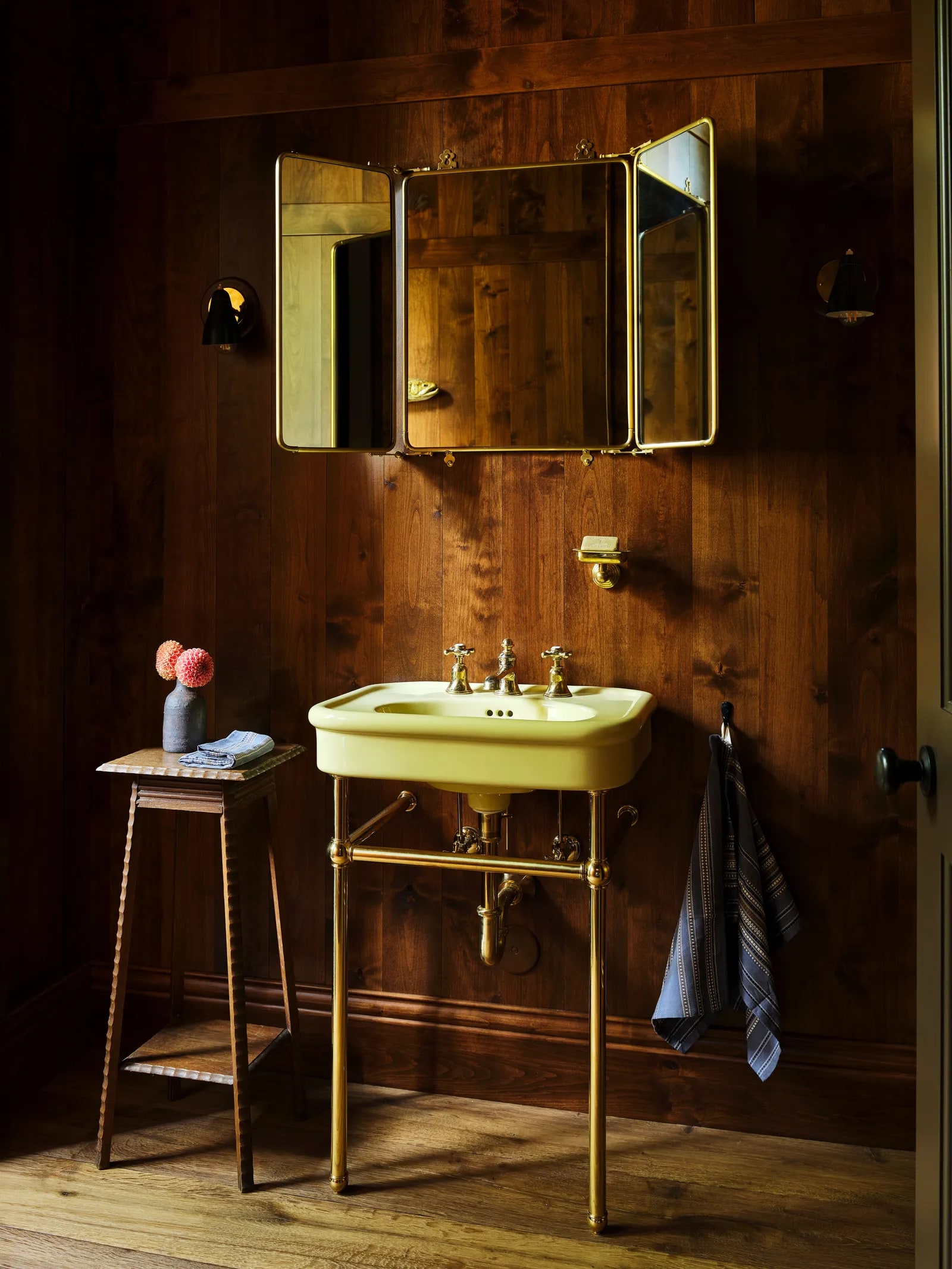
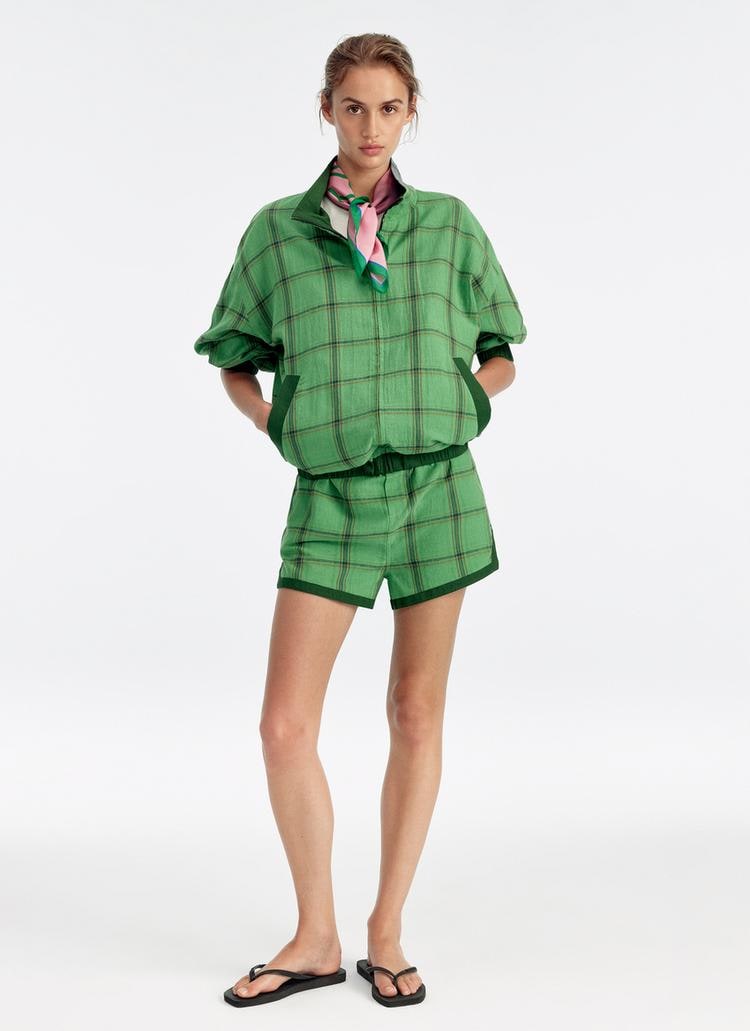
The past year has also seen a rise in popularity of TikTokers stripping years’ worth of layers of white paint from original woodwork in pre-war apartments. The “unexpected red” trend has become design shorthand for a slow reintroduction of contrast and saturation into carefully restrained spaces. Trend forecasts for weddings have begun drifting toward richer, higher contrast palettes: oxblood, chartreuse, deep navy, dark florals. Even Zara shows promise with their Spring/Summer 26 Collaboration with Benito Antonio (Bad Bunny) featuring a full garment collection and editorial campaign. Visual restraint is losing its monopoly on sophistication. People are beginning to crave aesthetics that feel emotionally and materially alive again.


We will not see the excess of the 1980s, nor the chaos of pure maximalism, but something more controlled: richness, contrast, tactility, atmosphere. The return will likely continue gradually, with each of the aforementioned trends increasing in popularity and branching off into different trends with similar themes. Visual restraint solved a cultural problem for the 2010s and early 2020s. In an era defined by constant self-documentation and algorithmic repetition, neutrality offered social protection. But the symbolic value of optimization is lost once it’s mass-produced. The Sameness of it all becomes emotionally flattening, and optimization becomes indistinguishable from self-erasure. So the pendulum turns again. Opulence returns when neutrality starts feeling oppressive rather than protective.
All photos are sourced from Pinterest and TikTok unless otherwise indicated.