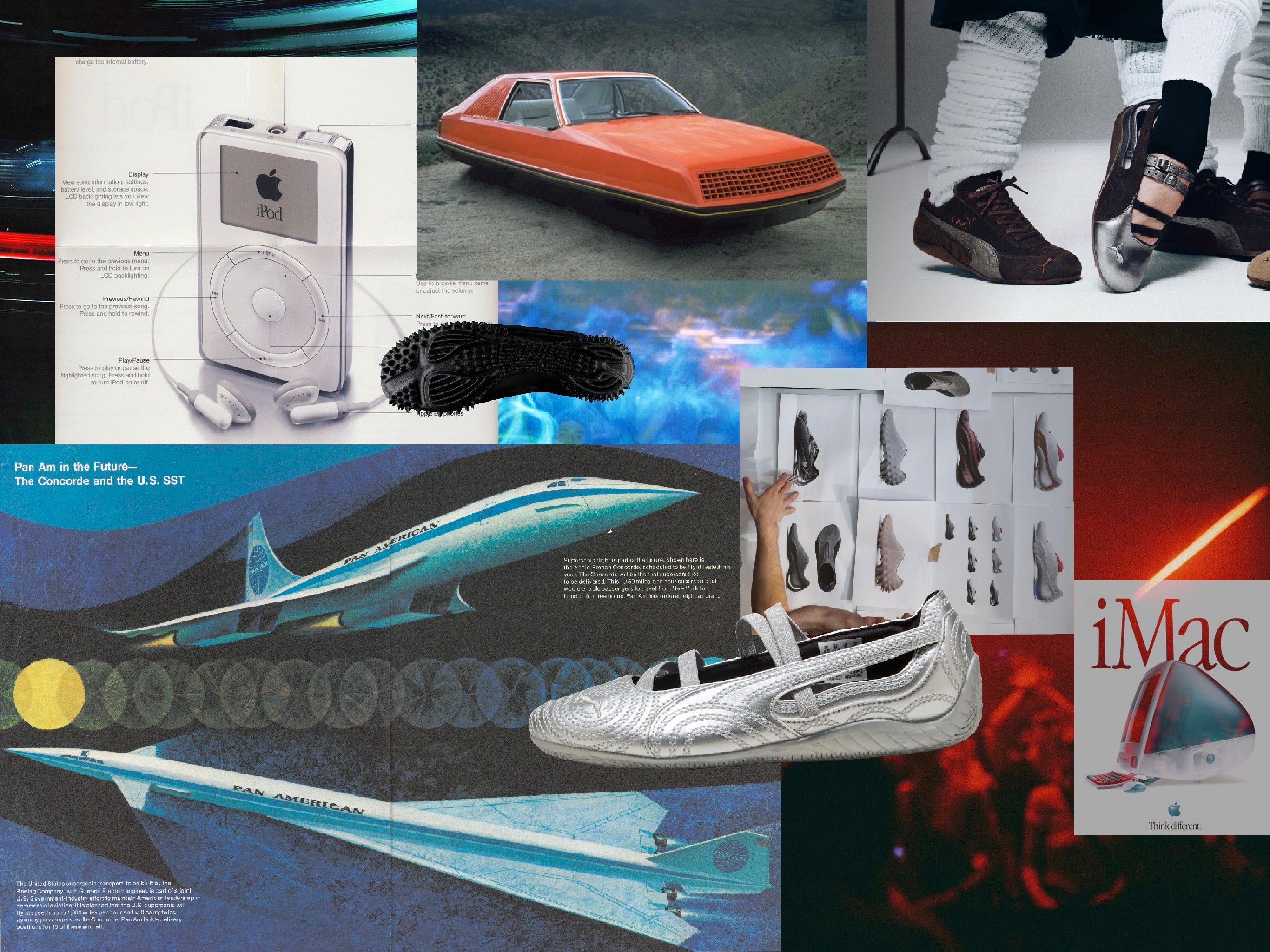
A year or so ago, I went on a serious quest for my Perfect Sneaker, and it sparked a minor infatuation with shoes. I’ve only bought one pair (which I love and highly recommend), but not before looking at nearly every shoe on the market. Taking a serious look at every major sneaker brand has made it very obvious that Puma is doing something different, and I’m hoping it’s a look into the future of lifestyle sneakers. I am not an athlete, so I can’t speak to the value of their performance footwear. But everyone needs a pair of daily-drivers.
The last major sneaker trend revolved around New Balance dad-style shoes, and Adidas spent most of the 2010s and early 2020s dominating lifestyle footwear with the Sambas and Superstars. Even Fila had a brief spike in popularity with the ultra-chunky Disruptors. Each of these brands is still selling some version of yesterday’s trends. Adidas has a Samba Mary Jane. New Balance is standing strong beside their dad-shoe variants. Puma, in contrast, seems distinctly committed to forward-looking consumers who are beginning to tire of pure nostalgia.
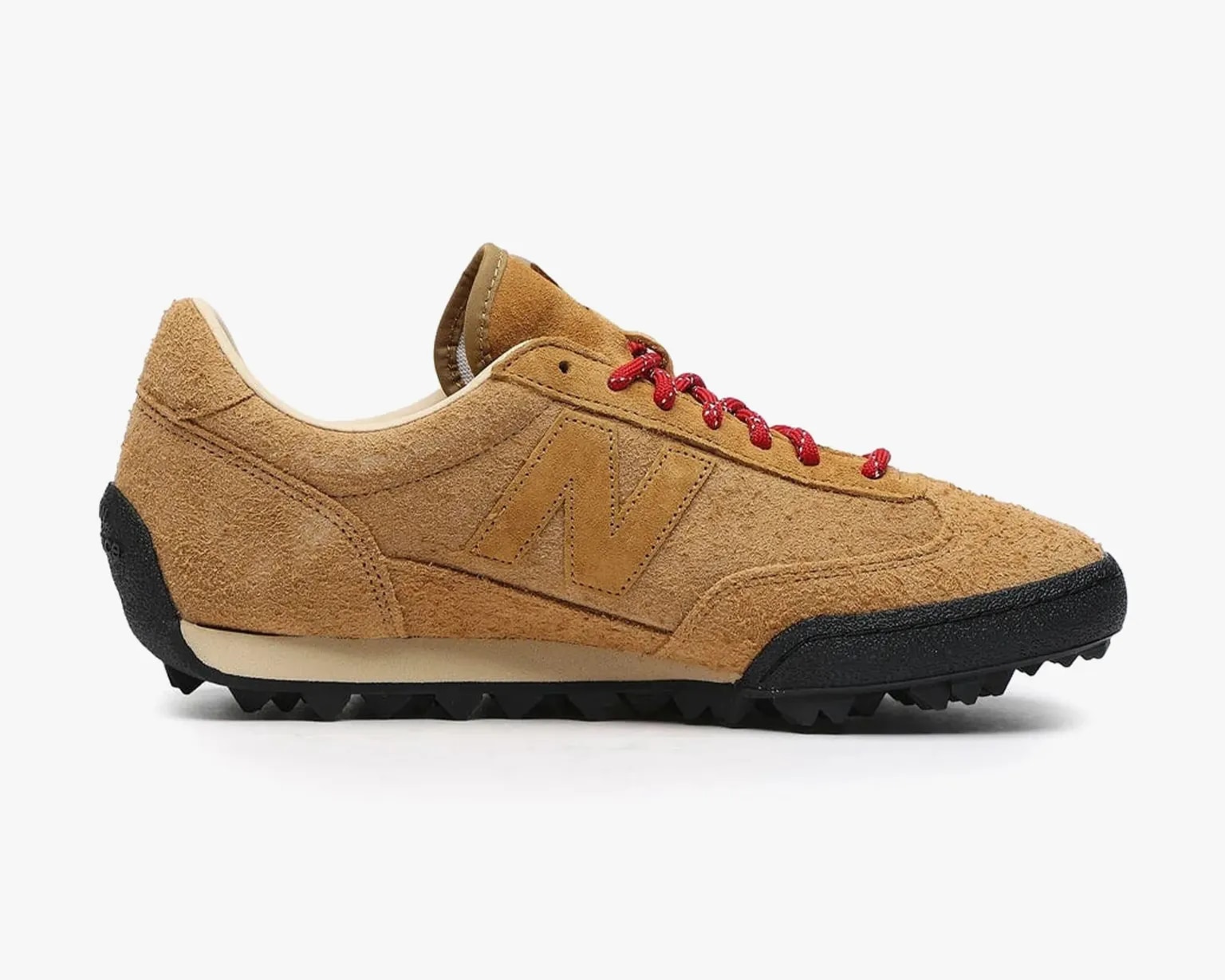
The past decade of sneaker trends has been remarkably backward-looking. What’s striking is that even many newly released sneakers continue to cling to nostalgic styling. New Balance is drawing heavily from archival performance footwear, and Onitsuka Tiger is releasing golf shoes that borrow features from vintage soccer shoes. The industry remains deeply committed to nostalgia. But the question is how much longer consumers will share that commitment.
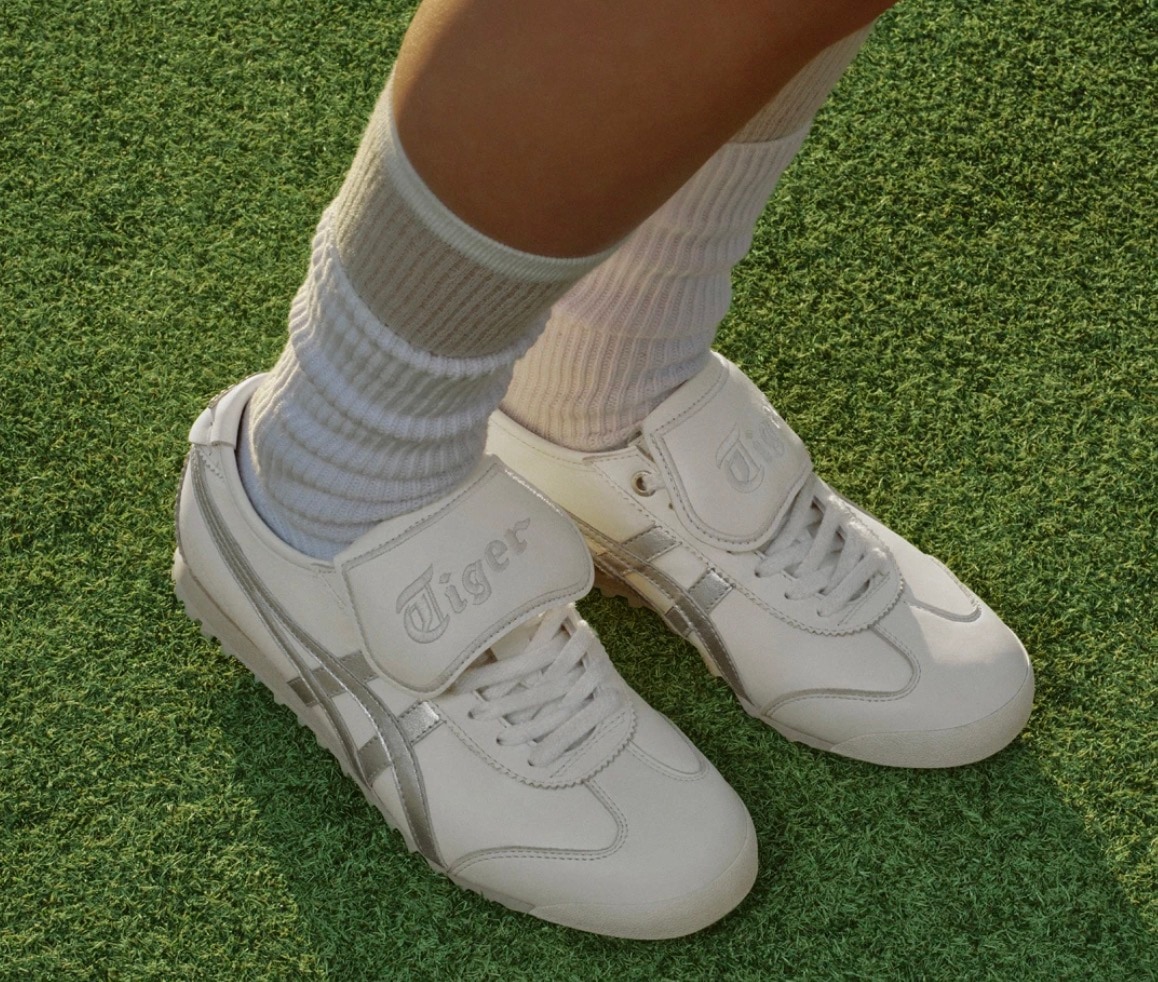
Puma’s Speedcat OG seems like the perfect shoe for the late 2020s. This is what I might classify as retrofuturist. It’s grounded in recently popular retro sneaker features, while pushing the envelope slightly with some aspects that I expect to see more of in the coming years. The Speedcat is almost the Adidas Samba meets Onitsuka Tiger’s Mexico 66. The sole is low profile, the silhouette is streamlined, and the overall shape feels familiar. But the suede, the bold and trendy colorways, and the logo detail on the toes make this sneaker slightly more intentional than the average daily-wear sneaker.
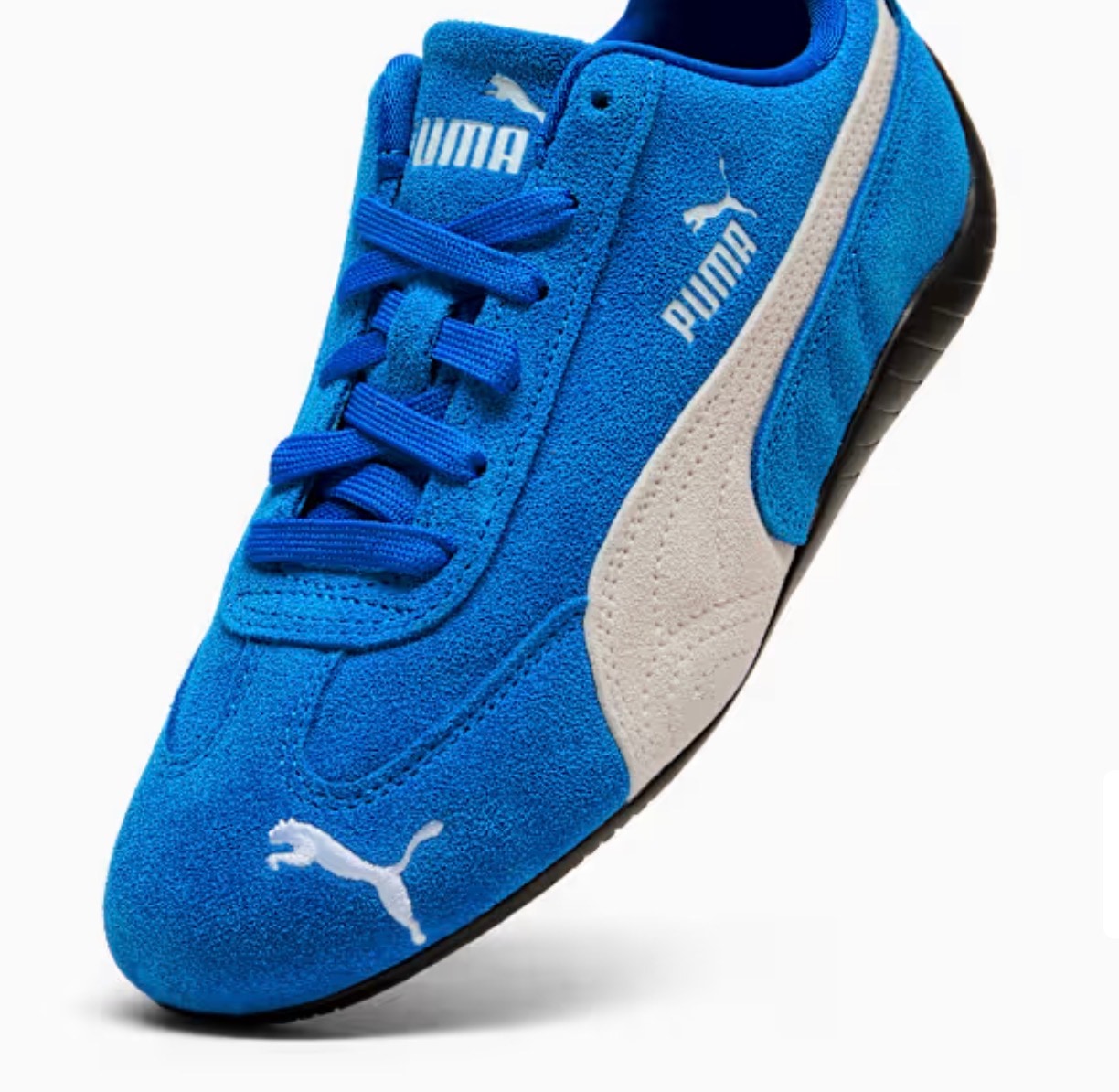
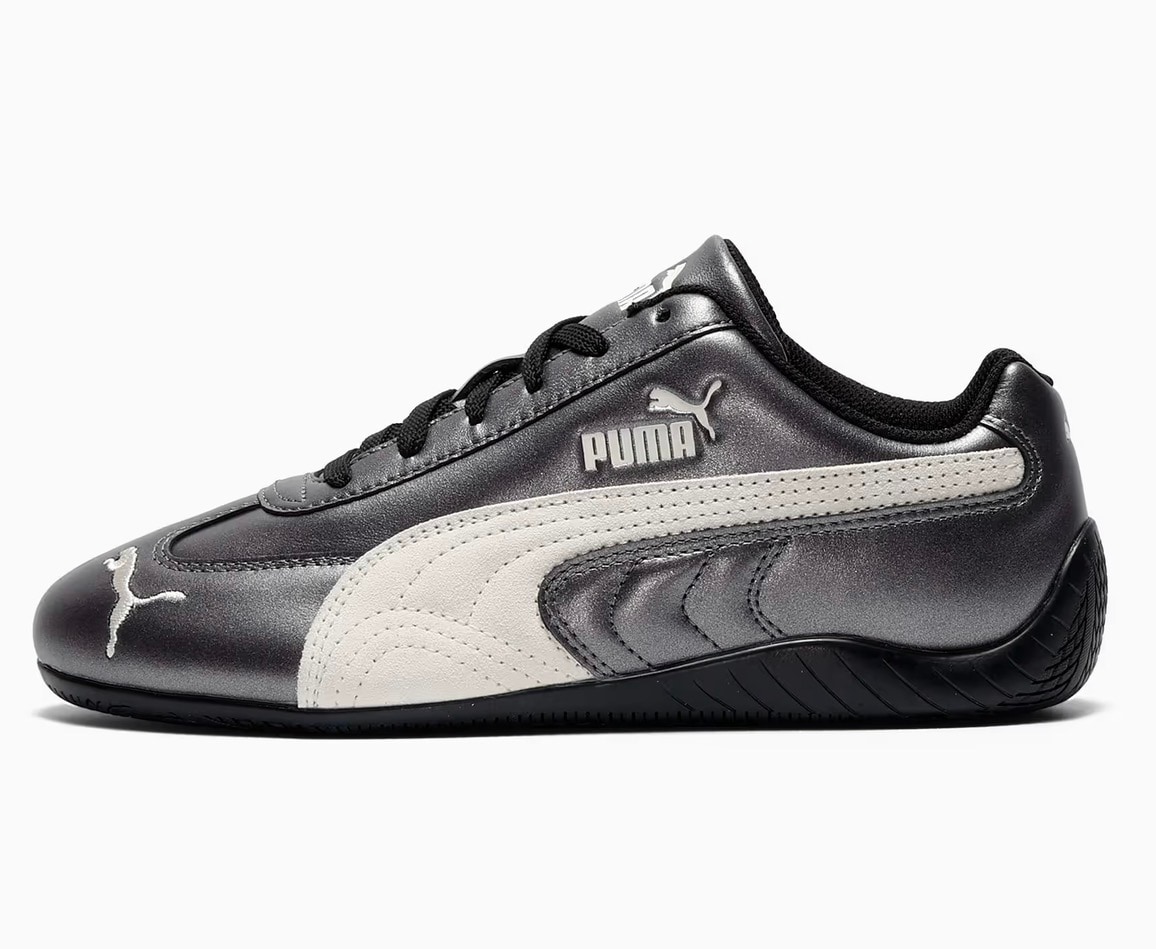
When I say retrofuturist, I do not mean futuristic in the sci-fi sense. I’m talking about a garment that acknowledges where fashion has been while also suggesting where it might go next. It is both grounded and visionary. Puma’s designs show awareness that consumers are not ready to abandon familiar silhouettes, but they do seem increasingly interested in experimentation. This is where the Speedcat shines.
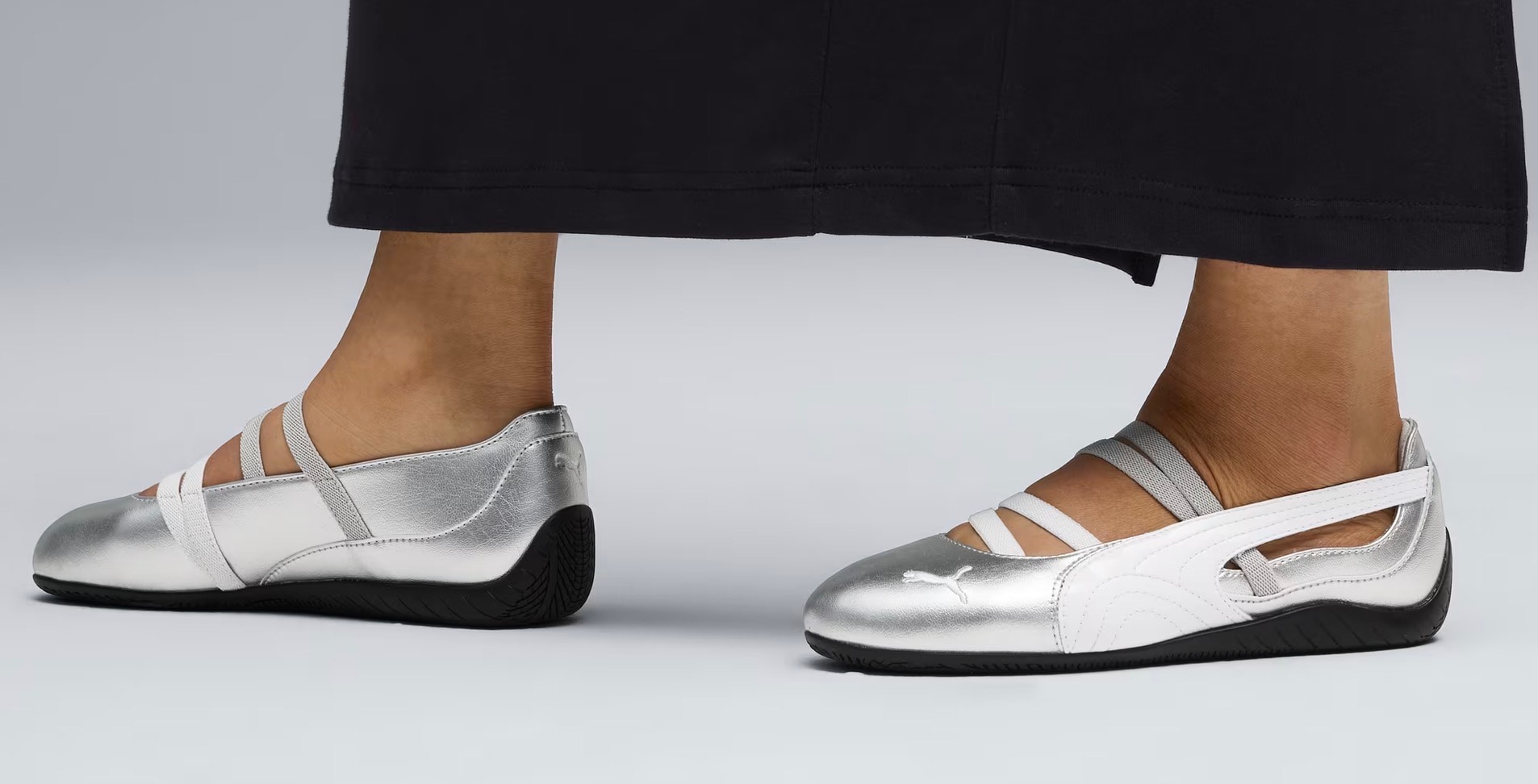
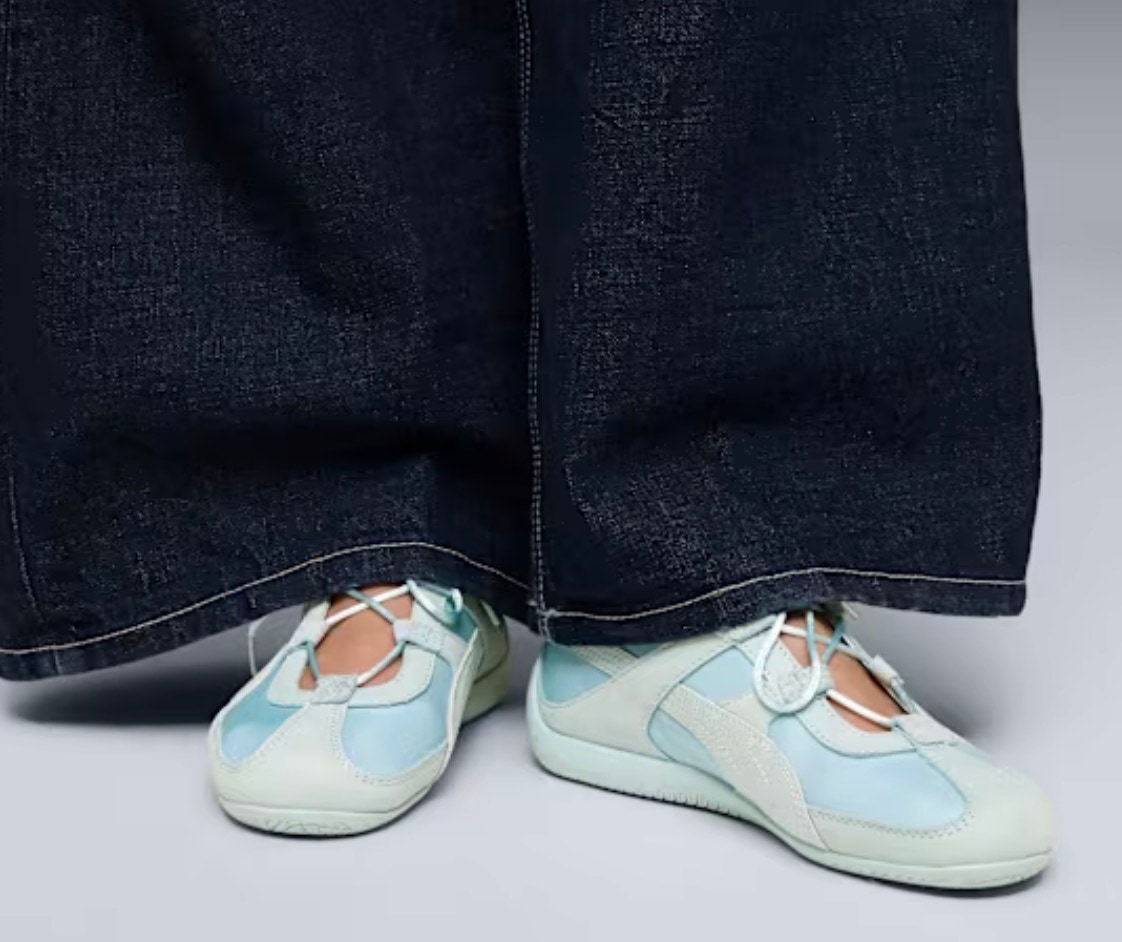
Puma was quick to develop a sneakerina: a ballet-flat hybrid sneaker that has already gone viral among experimental-fashion girls and seems to be creeping into the mainstream. This seems like a style that might run its course quickly, but the fact that they have so many options speaks to Puma’s confidence in investing in the trend. Adidas, Nike, and several luxury houses have since entered the sneakerina market, but Puma’s versions feel uniquely wearable.
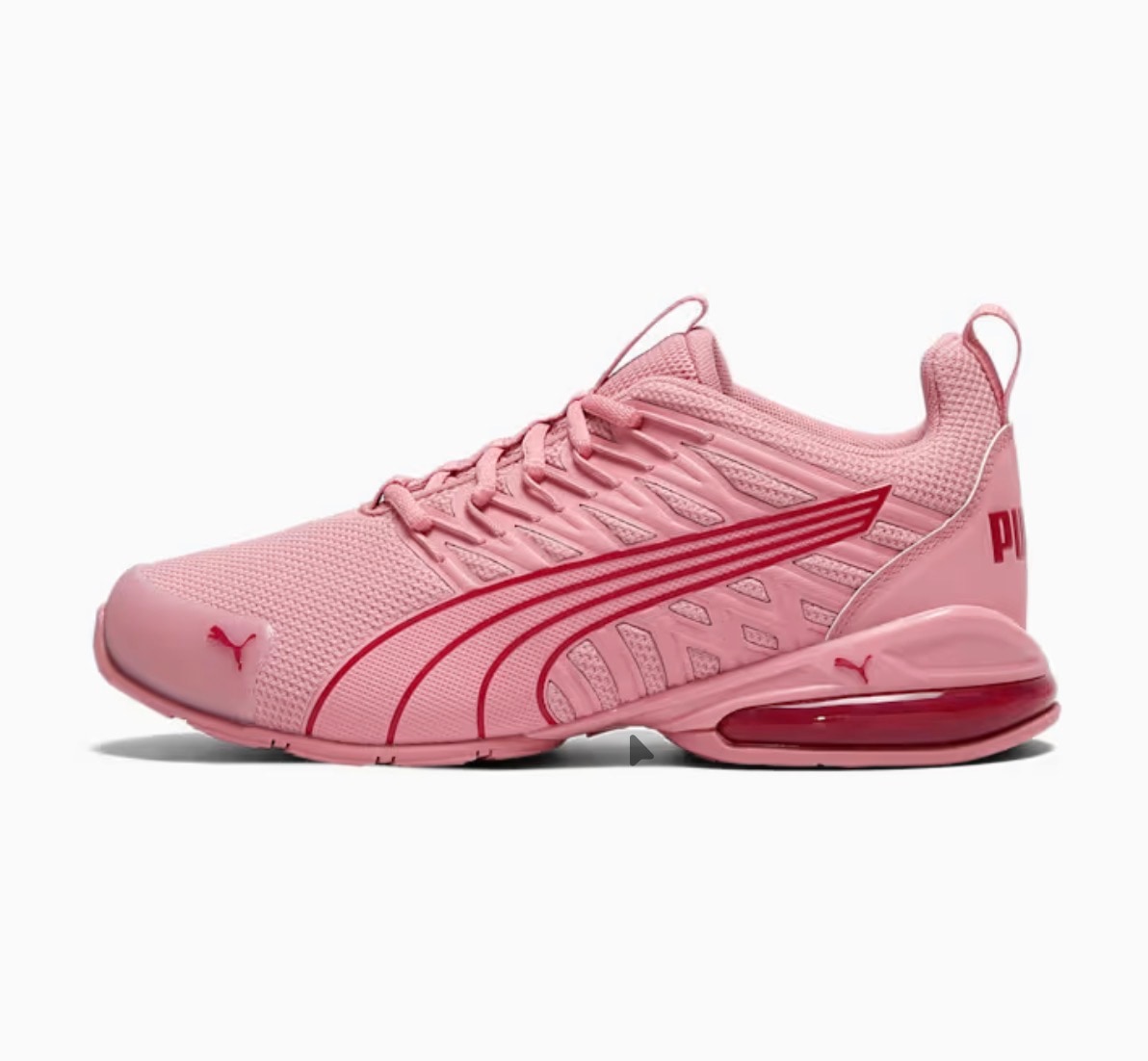
The Voltaic Evo doesn’t have a colorway I’m psyched about at the moment (the color above is only available in wide sizing currently), but it’s a compelling sneaker. It has a rather classic running-shoe profile with details that feel fashion-oriented. This is a shoe attempting to sacrifice neither fashion nor function. This style also looks to me like a better city shoe than the Speedcat. More importantly, it is yet another example of Puma exploring territory between categories. The Voltaic is not purely performance-oriented or fashion-oriented. This hybrid space is where lifestyle footwear seems to be heading.
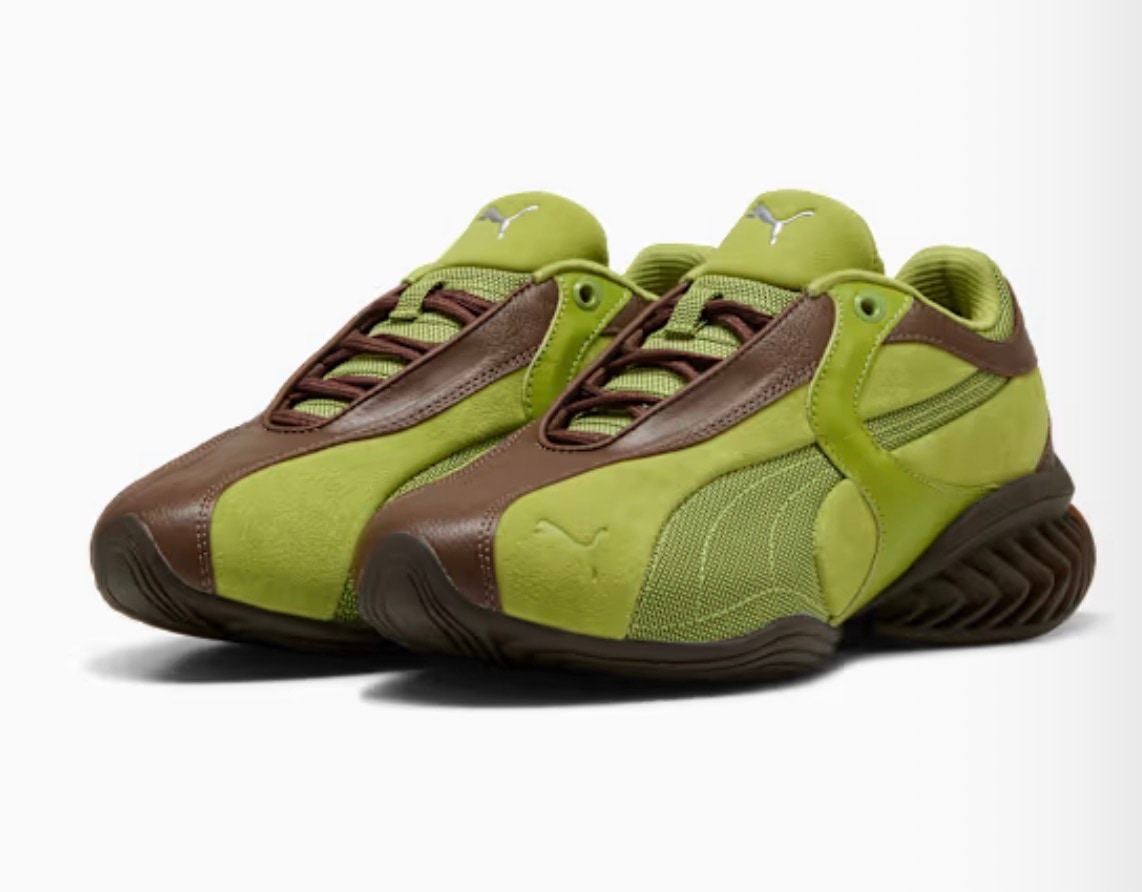
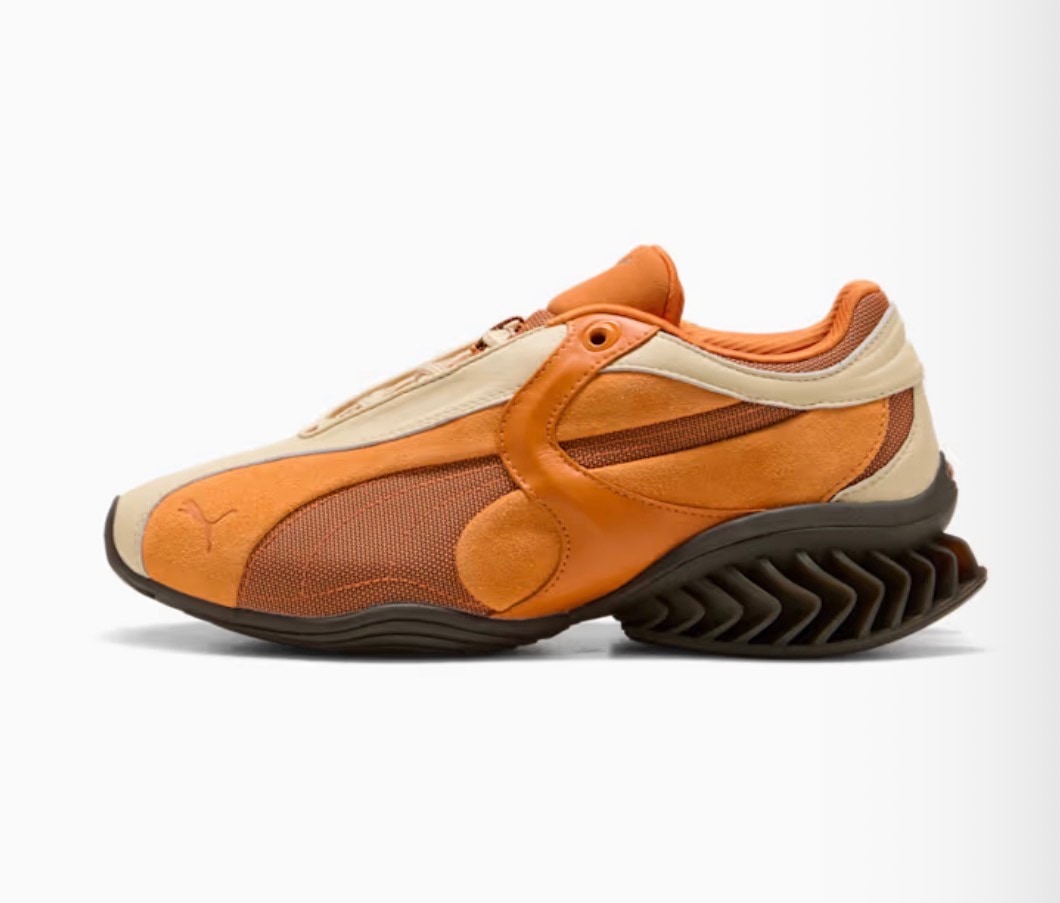
The Cell Geo 1 deserves an honorable mention because it is weird as hell (complimentary). It will almost certainly not go mainstream, but it is yet another signal that Puma is in conversation with their experimental customers. The included photos are the weirdest of the colorways, but the other options read more masculine to me. In a slightly slimmer profile and more classically-feminine colors, I could see these doing very well with the weird-shoe girls. These shoes are important because they are a taste of where Puma’s design team is looking, not because they are going to be flying off the shelves.
Their current partnerships similarly look toward fashion credibility rather than purely athletic branding. Collaborations with figures like ASAP Rocky and brands like Madhappy position Puma closer to contemporary streetwear and fashion culture than traditional sportswear marketing. None of these designs are radically avant-garde, which is exactly why I think Puma is well-positioned. The brand seems to understand something many competitors do not: customers are finally ready for true novelty, but only in manageable doses. Purely nostalgic styling appears to be losing momentum, but most people are not interested in looking like a Rick Owens model either.
Puma’s answer to this difficult balance is retrofuturism, their version of which is not about reinventing the sneaker. It’s about taking familiar silhouettes and nudging them in unexpected directions until they feel fresh again. Whether the strategy succeeds remains to be seen, but Puma appears to be one of the few major sneaker brands actively designing for what comes next instead of what has come before. This is why, despite spending this essay pretending to be an objective observer of sneaker trends, I’m expecting my pair of Speedcats to arrive any day now.
xxCS
Image credits: Product images sourced from Puma, Adidas, New Balance, and Onitsuka Tiger product pages. All trademarks and product names belong to their respective owners.